


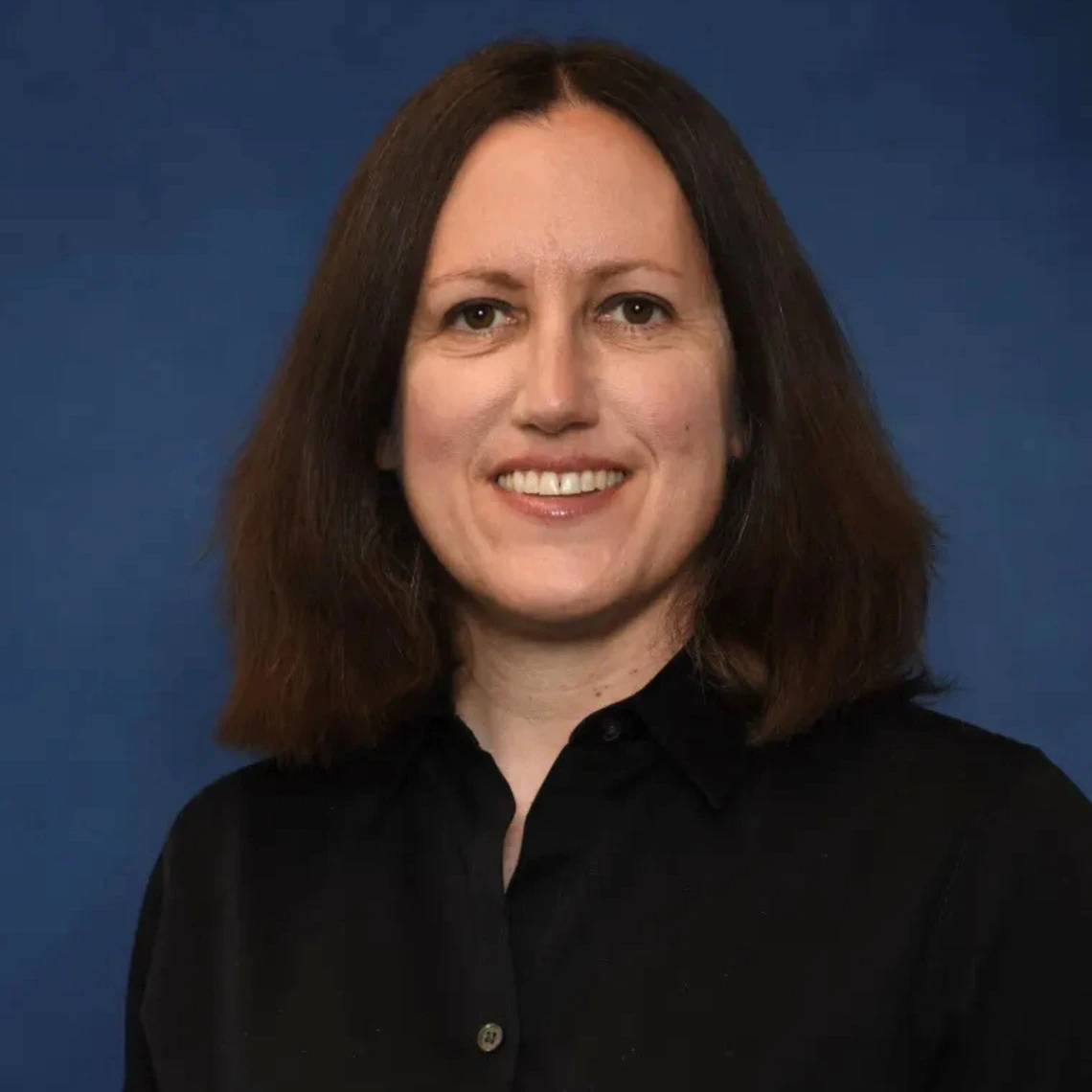
Julie E. Miller, Ph.D., Associate Professor of Neuroscience and Speech, Language, and Hearing Sciences, University of Arizona
ReDATA(opens in a new tab) has provided an easily accessible and user-friendly platform for our data storage needs required to be compliant with journal and funding agency requirements. Because of ReData, our research publications have gained more visibility, worldwide, and provides open access to other researchers and the public.
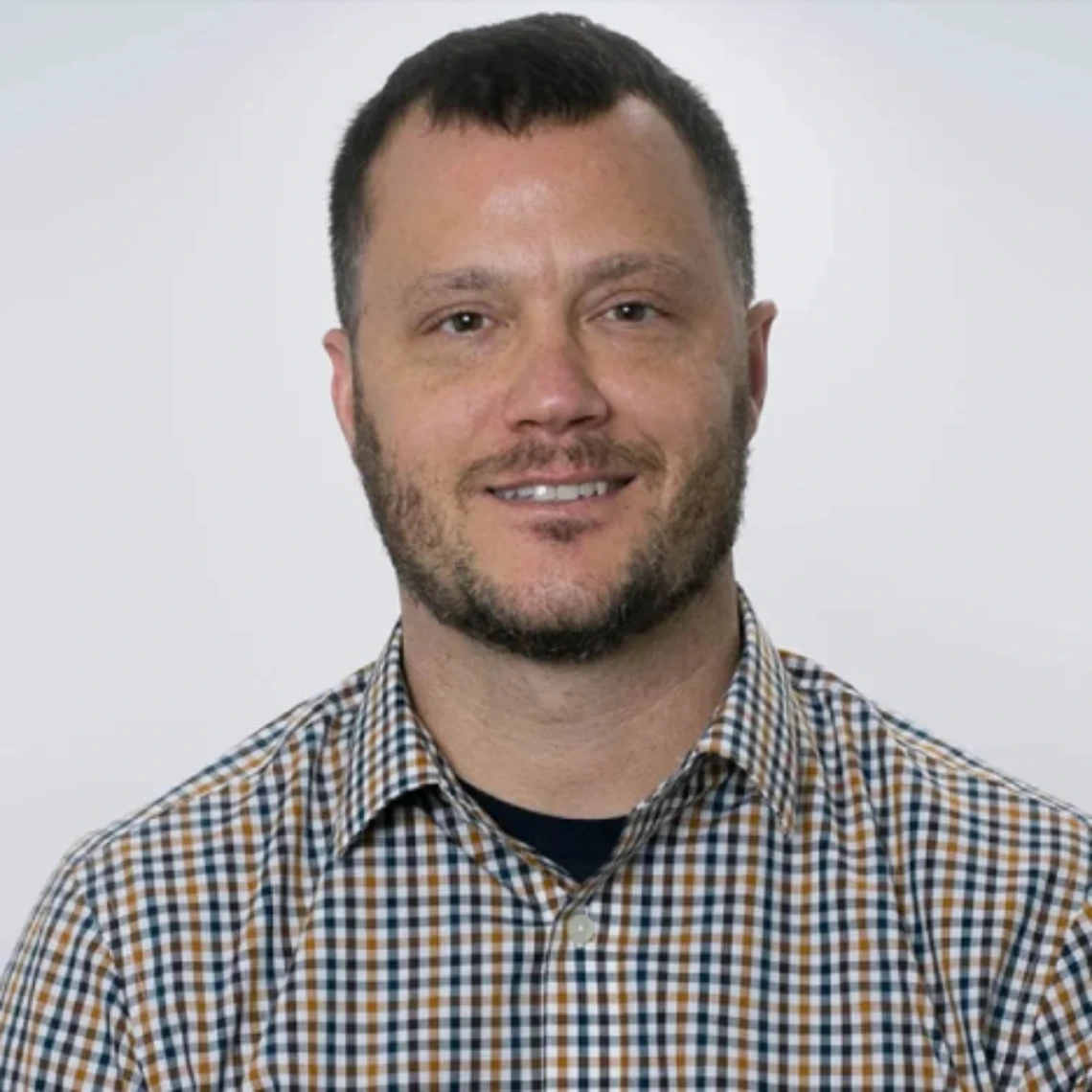
Jason R. Jurjevich, Ph.D., Assistant Professor, School of Geography, Development & Environment, University of Arizona
ReDATA has been incredibly helpful for our research, providing an outlet to share our data with colleagues around the world. This hidden gem of the UA Library supports research transparency and reproducibility, which are both essential for data-driven scholarship. Thanks for all your support, ReDATA team!

Brett Carr, Ph.D., Researcher/Scientist, Lunar and Planetary Laboratory, University of Arizona
ReDATA solves the problem of where to archive data from my research following FAIR principles. Many public archives are for specific types or themes of data, with ReData, everything can go to the same place with clear organization amongst my projects. I also like that it is specifically a University of Arizona resource. The staff at University of Arizona Libraries have been essential in helping me prepare and organize thorough and properly documented data archives.
Tyler Meng, Graduate Research Associate, Lunar and Planetary Laboratory, University of Arizona
ReDATA provided a user-friendly, long-term solution for archiving the data and code produced through my PhD research at the University of Arizona. Not only has ReData given me an open-access option for licensing, storing, and citing these datasets, but the thorough review conducted by the repository specialists has ensured that these archives are accessible and properly documented for any potential future users.